Connected lighting supportAustin, Texas, USA · Global projects
Connected lighting

Sustainability

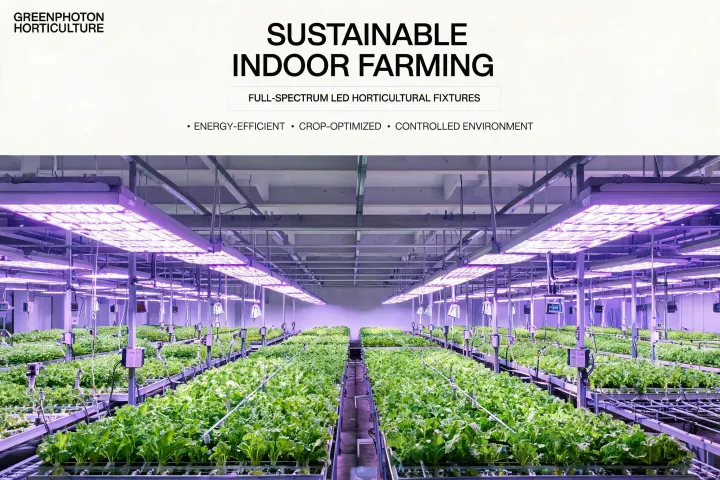
Sustainability for Fluence is measured at the canopy, not the catalogue. Replacing 1000W double-ended HPS with VYPR or SPYDR fixtures running cool-running drivers cuts cultivation electricity load by 40-60%, lowers HVAC dehumidification energy because LEDs throw far less infrared into flower rooms, and shifts the energy story from kilowatt-hours per square foot to grams per kilowatt-hour and µmol per joule — the metrics greenhouse and CEA operators actually report to investors.

Fluence Sustainability page_header
Technical view

Esg data for Fluence project teams

ESG reporting for cultivation operators converts photoperiod and PPFD data into auditable energy, water, and yield numbers. Fluence services translate fixture-level efficacy (µmol/J), connected dimming logs, and per-zone DLI delivery into the figures sustainability officers, utility-rebate evaluators, and lender ESG analysts want to see — at the level of grams per kilowatt-hour and water-use per kilo of biomass produced.

Light output / spectrumDefined around the task, crop, surface, or occupancy pattern.
Controls pathwayMapped to dimming, scheduling, sensors, and network expectations.
Installation contextReviewed for mounting height, access, wiring, environment, and retrofit limits.
DocumentationPrepared around submittals, compliance notes, and stakeholder review.
certifications

Certifications for Fluence project teams

Certification and connected-controls deliverables are sequenced through the build so the cultivation team gets a working dimming, scheduling, sensor, and dashboard stack on day one of commissioning. Each card below summarises what Fluence services hand over to the master grower and facility ops lead — measurable, repeatable, and tied to the PPFD targets defined back at the specification stage.

Connected commissioning

Connected commissioning configures every SPYDR, VYPR, or RAPTR zone against the cultivar SOP — sunrise ramp duration, peak PPFD plateau, sunset taper, and the optional far-red end-of-day pulse for flowering cannabis. Drivers are addressed, dimming groups are mapped to room labels, and the head grower walks every zone with a quantum meter before the controls integrator hands the system over to production.

Scene and schedule logic

Scene and schedule logic encodes the photoperiod rules cultivation runs by — strict 12/12 for cannabis flower, 18/6 for veg, 16/8 for leafy greens, dynamic supplemental for greenhouse crops following solar DLI. Schedules sit alongside sunrise and sunset ramps, IPM dark periods, and dehumidification-aware power capping so the lighting profile never collides with HVAC peak load or fertigation events.

Sensor feedback

Sensor feedback from quantum PAR sensors, leaf-temperature probes, and rooftop pyranometers (in greenhouse projects) lets the controls layer adjust supplemental output instead of running fixtures at fixed dim. The result is a closed-loop DLI delivery that hits the cultivar's daily target without overshooting on bright greenhouse days, saving energy while keeping the canopy on plan for harvest.

Energy dashboards

Energy dashboards roll fixture-level data — kilowatt-hours, on-hours, dim levels, and µmol/J efficacy — into reports the cultivation operations director and sustainability lead actually use. Per-room, per-cycle, and per-cultivar views help the team correlate yield-per-watt against PhysioSpec recipe choices, so future genetics changes can be modelled before the next flower cycle starts.

Next step

Ready to turn horticultural lighting requirements into a practical plan?

Share your current HPS load, photoperiod schedule, and ESG reporting cadence and the team will model retrofit savings, dimming-driven energy reductions, and the µmol/J gains feeding into your sustainability dashboard for the next reporting cycle.

Request Project Support